Ben Hofferber
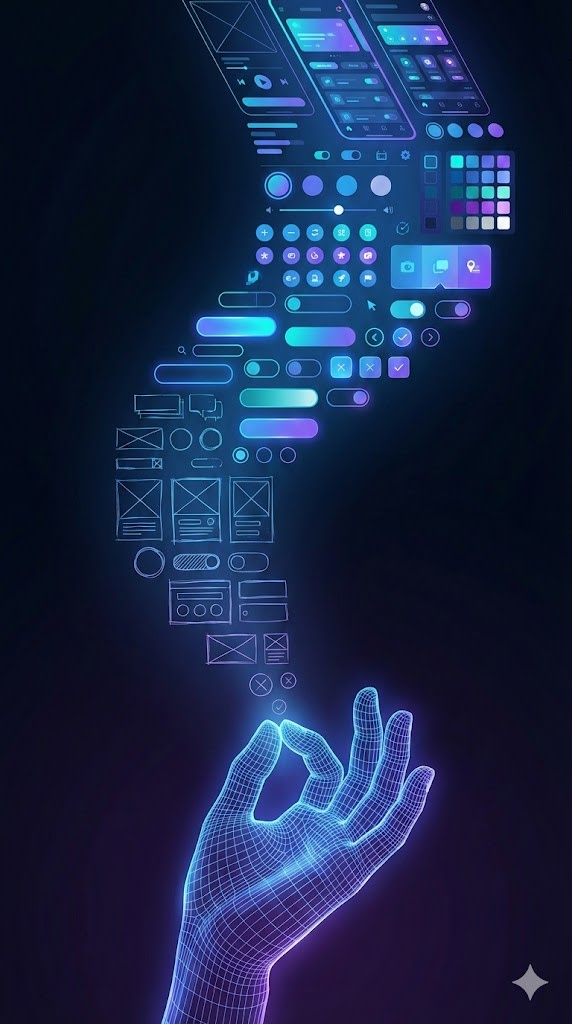



Design tools used to compete on features. Better prototyping. Smoother collaboration. Faster rendering. That race made sense when design was a human activity and the deliverable was pixels on a screen.


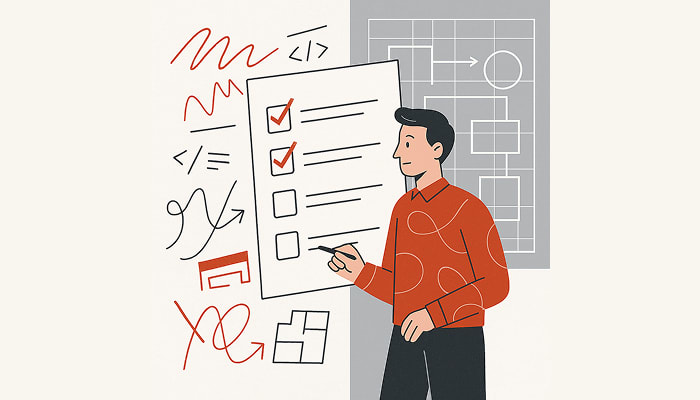
Vibe coding with Claude can lead to fast code and bad abstractions. Learn how the OODA Loop and interview step improve AI-generated code quality. Part of the 2025 AI Coding Workflow Best Practices Series.
Vibe coding with Claude can lead to fast code and bad abstractions. Learn how the OODA Loop and interview step improve AI-generated code quality. Part of the 2025 AI Coding Workflow Best Practices Series.




A headless architecture comprises a headless CMS for content management and a site builder using static site frameworks like Next.js, Gatsby, and Nuxt.js. Content is retrieved from the CMS, and bundled code is deployed via a distribution platform. Headless CMS examples include Contentful and Sanity, offering editor interfaces, page previews, and APIs. Site builders use CMS client SDKs to transform data, and distribution platforms enhance performance with CDNs. Third-party services and hosted assets can be integrated.


Named Design Contexts and Design Contexts as Code (DCaC) can greatly simplify the process of creating a scalable design system that is easier to understand and more friendly to change.
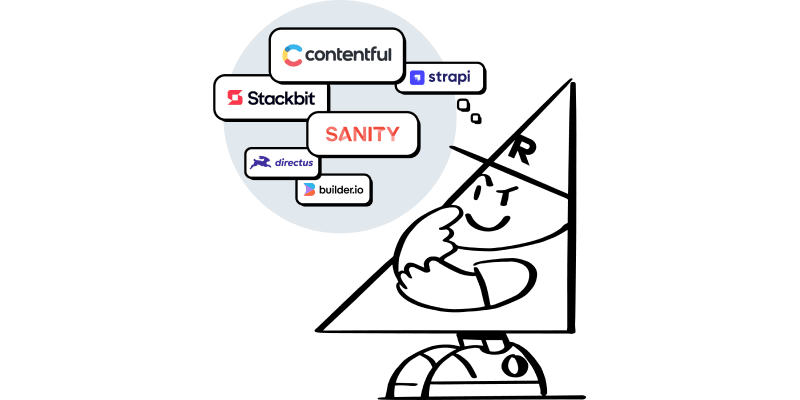
Contentful, Sanity, and Strapi are the headless CMS platforms we recommend most often to our clients. Here's a comparison of features that matter, plus an in-depth guide to choosing the right headless CMS platform for you.